
The Perfect Pad: Choosing and Using Small Dog Crates
For many dog owners, the idea of a crate can conjure images of confinement. However, when used correctly, a small dog crate is far from a prison. In fact, it’s a safe, secure haven for your canine companion, offering numerous benefits for both dog and owner. From house-training to providing a den-like space, a well-chosen small dog crate can be an invaluable tool.
This comprehensive guide will delve into what small dog crates are, how to select the right one for your pint-sized pal, and which breeds they are ideally suited for. We’ll also touch on the benefits and how to introduce your dog to their new space.
What Exactly is a Small Dog Crate?
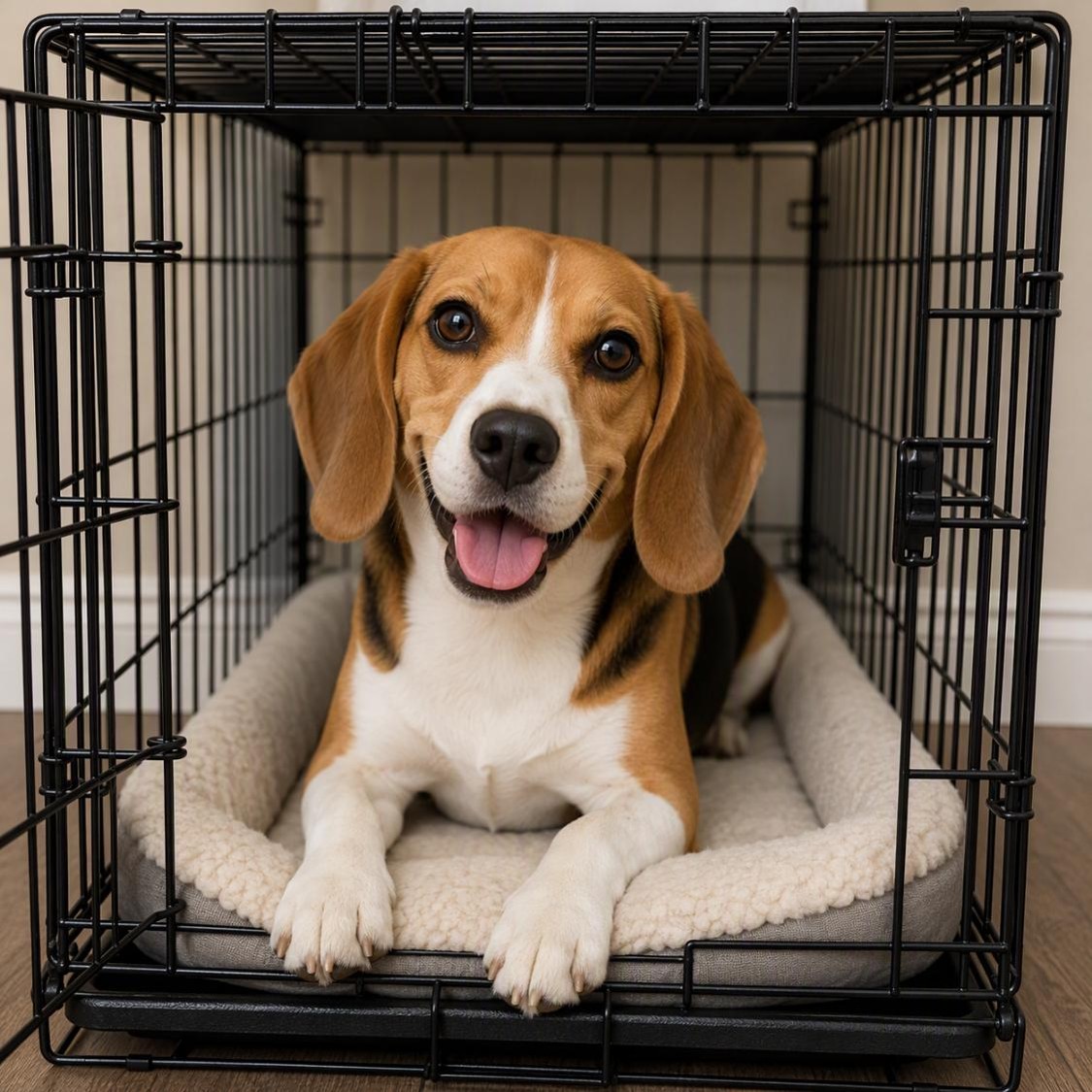 Small dog crates are essentially a portable enclosure designed to house dogs of a smaller stature. These crates come in various materials, including wire, plastic, and fabric, and are sized specifically to accommodate breeds that generally weigh under 20-30 pounds, though breed size can vary.
The primary purpose of a dog crate is to mimic a dog’s natural instinct to seek a den. By providing a contained, familiar space, you create a sense of security and comfort for your dog. This is particularly beneficial for:
- House-training: Dogs are naturally reluctant to soil their sleeping area, making crates incredibly effective for teaching puppies and new dogs boundary and potty training.
- Safe Space: When you can’t supervise your dog, or when visitors are over, a crate offers a secure retreat where they can relax without stress.
- Travel: Many small dog crates are designed to be airline-approved and are perfect for ensuring your dog’s safety and comfort during car rides or flights.
- Preventing Destructive Behaviour: Bored or anxious dogs can exhibit destructive behaviors. A crate, when used correctly, can prevent chewing, digging, and other unwanted actions when unsupervised.
- Aid in Recovery: Post-surgery or injury, a crate can limit movement and promote healing.
Which Dog Breeds are Small Dog Crates Designed For?
Small dog crates are the perfect solution for a wide array of popular small canine breeds. If your furry friend falls into one of these categories, a small crate will likely be an excellent fit:
Popular Small Dog Breeds that Benefit from Small Dog Crates Include:
* Terriers:
* Yorkshire Terrier (Yorkie)
* Jack Russell Terrier
* Scottish Terrier
* West Highland White Terrier (Westie)
* Silky Terrier
* Cairn Terrier
* Miniature Schnauzer
* Toy Breeds:
* Chihuahua
* Pomeranian
* Pug
* Shih Tzu
* Maltese
* Bichon Frise
* Cavalier King Charles Spaniel
* Papillon
* Toy Poodle
* Miniature Poodle
* Sporting and Hound Breeds (Smaller Varieties):
* Dachshund (Miniature and Standard)
* Beagle (Puppies and smaller adults)
* Cocker Spaniel (American and English, smaller individuals)
* Companion Breeds:
* Boston Terrier
* French Bulldog
* Havanese
* Lhasa Apso
* Pekingese
* Shetland Sheepdog (Sheltie – smaller individuals)
Key Considerations for Breed Size:
Even within these breeds, there can be variations in size. When selecting a crate, always measure your dog:
* Length: From the tip of their nose to the base of their tail.
* Height: From the top of their head (or ears) to the floor.
The crate should be large enough for your dog to comfortably stand up, turn around, and lie down. For puppies, it’s often recommended to use a divider to adjust the crate size as they grow, preventing them from using one end as a bathroom. Check out our sizing guide
Types of Small Dog Crates:
- Wire Crates: Lightweight, collapsible, and offer excellent ventilation. They often come with a plastic or metal pan for easy cleaning.
- Plastic/Pet Carriers: Durable, opaque, and provide a more den-like feel. These are often favored for travel due to their security and can be a good option for nervous dogs.
- Fabric/Soft-Sided Crates: Lightweight and portable, these are ideal for travel or as a temporary “den” at home. They are usually not recommended for unsupervised use by chewers or destructive dogs.
- Wooden Crates/Crate Furniture: These can be stylish additions to your home, often doubling as end tables. They offer a more enclosed and aesthetically pleasing option.
Choosing the Right Small Dog Crate:
When selecting a small dog crates, consider the following:
- Size: As mentioned, ensure it’s large enough for your dog to turn around, stand up, and lie down comfortably, but not so large that they have room to misuse it as a bathroom.
- Material: Wire offers visibility and ventilation, plastic provides security and a den feel, and fabric is best for travel and temporary use.
- Portability: If you plan to travel or move the crate around the house, look for lightweight and collapsible options.
- Ease of Cleaning: A removable, washable pan is a must-have for accident containment.
- Safety Features: Ensure there are no sharp edges or small parts that your dog could ingest.
- Your Dog’s Personality: A nervous dog might prefer a more enclosed plastic crate, while a more active dog might enjoy the visibility of a wire crate.
Benefits of Using Small Dog Crates:
The advantages of incorporating a small dog crate into your life are numerous:
- Accelerated House-training: The most significant benefit for puppies and untrained dogs.
- Reduced Separation Anxiety: A familiar, safe space can comfort dogs when left alone.
- Prevents Destructive Behaviour: Protects your belongings and keeps your dog safe from chewing on dangerous items.
- Promotes a Calm Environment: Provides a secure den for your dog to relax and de-stress.
- Safer Travel: Essential for airline travel and recommended for car journeys.
- aids recovery: Immobilisation after surgery or injury.
Introducing Your Small Dog to Their Crate:
Making crate training a positive experience is crucial for its success.
1. Start Slowly: Leave the crate door open and encourage your dog to explore it with treats.
2. Positive Reinforcement: Throw treats inside the crate, and praise them when they go in.
3. Short Sessions: Begin with short periods of closing the door while you’re present.
4. Gradually Increase Time: Slowly extend the duration your dog spends in the crate.
5. Never Use as Punishment: The crate should always be a positive and safe space.
Conclusion:
Small dog crates are undoubtedly an investment in your dog’s well-being and a valuable asset for any owner of a pint-sized pup. By understanding what they are, who they’re for, and how to choose and introduce them effectively, you can unlock a world of benefits for your furry friend. From providing a secure den to aiding in training and travel, a well-chosen crate will become your dog’s beloved sanctuary.
-
Sale!
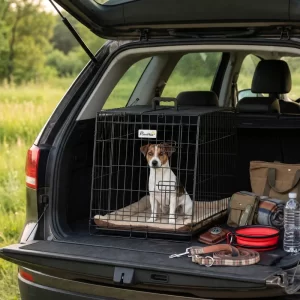
PawHut 30″(76 cm) Car Dog Crate Collapsible Slanted Small Travel Dog Crate
Original price was: £62.00.£39.99Current price is: £39.99. -
Sale!
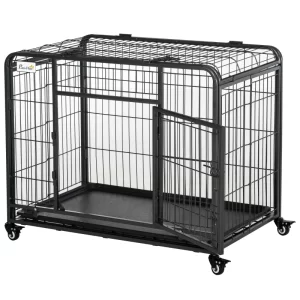
Pawhut Metal Dog Cage
Original price was: £109.99.£89.99Current price is: £89.99. -
Sale!
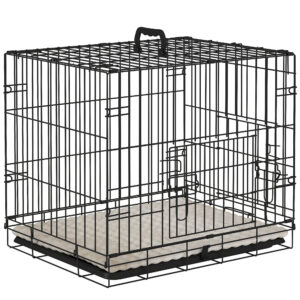
PawHut Foldable Dog Crate With 2 Doors
Original price was: £39.99.£25.99Current price is: £25.99.